

Disease resistance
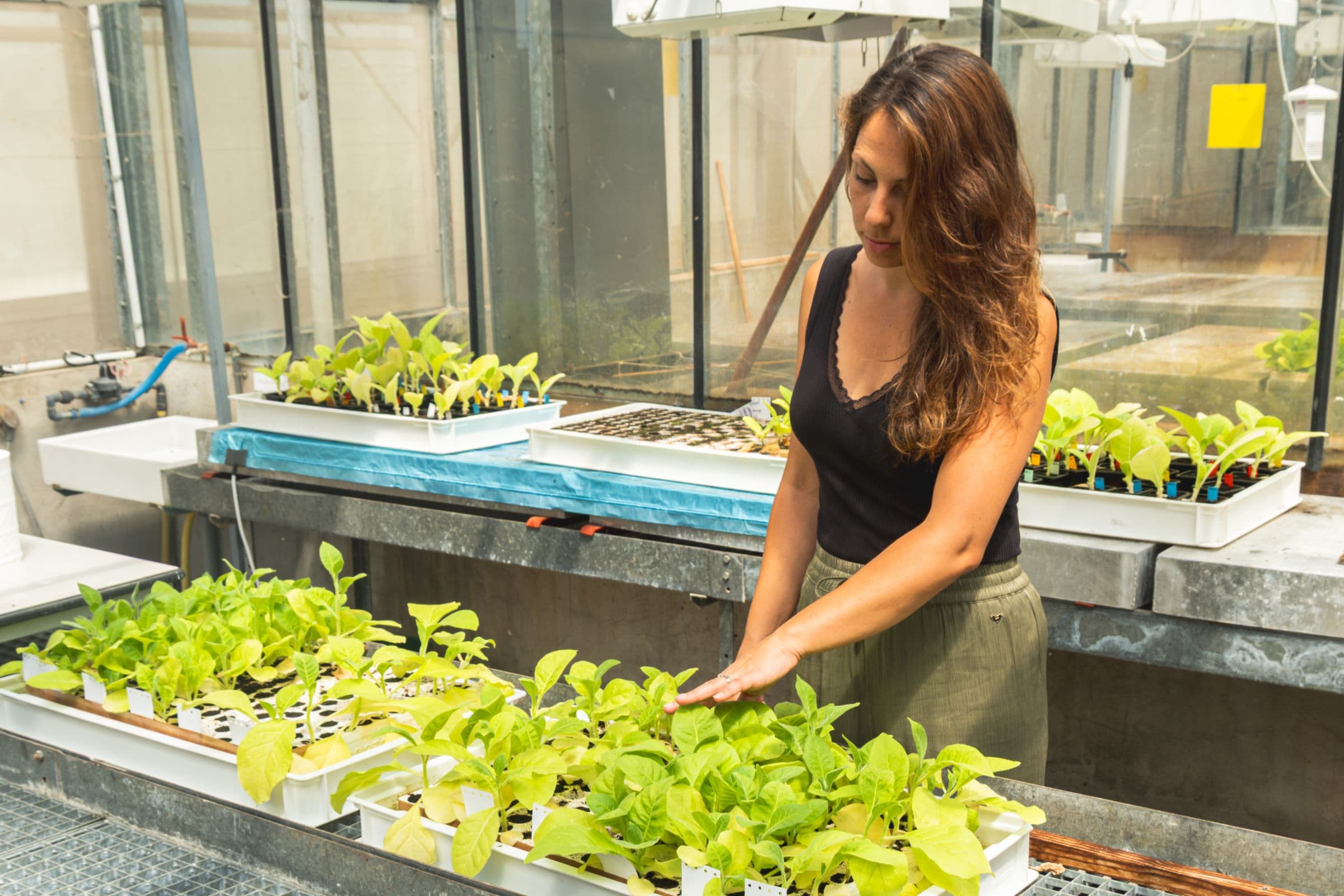
Creating a new variety is a demanding process that generally spans eight to twelve years. Every programme begins by defining precise objectives linked to the needs of growers and manufacturers and to market developments. The work then combines directed crosses, pedigree selection, multi-environment evaluations, agronomic characterisation, chemical analyses and evaluations of resistance to the main pests and diseases, in order to identify the best genetic combinations.

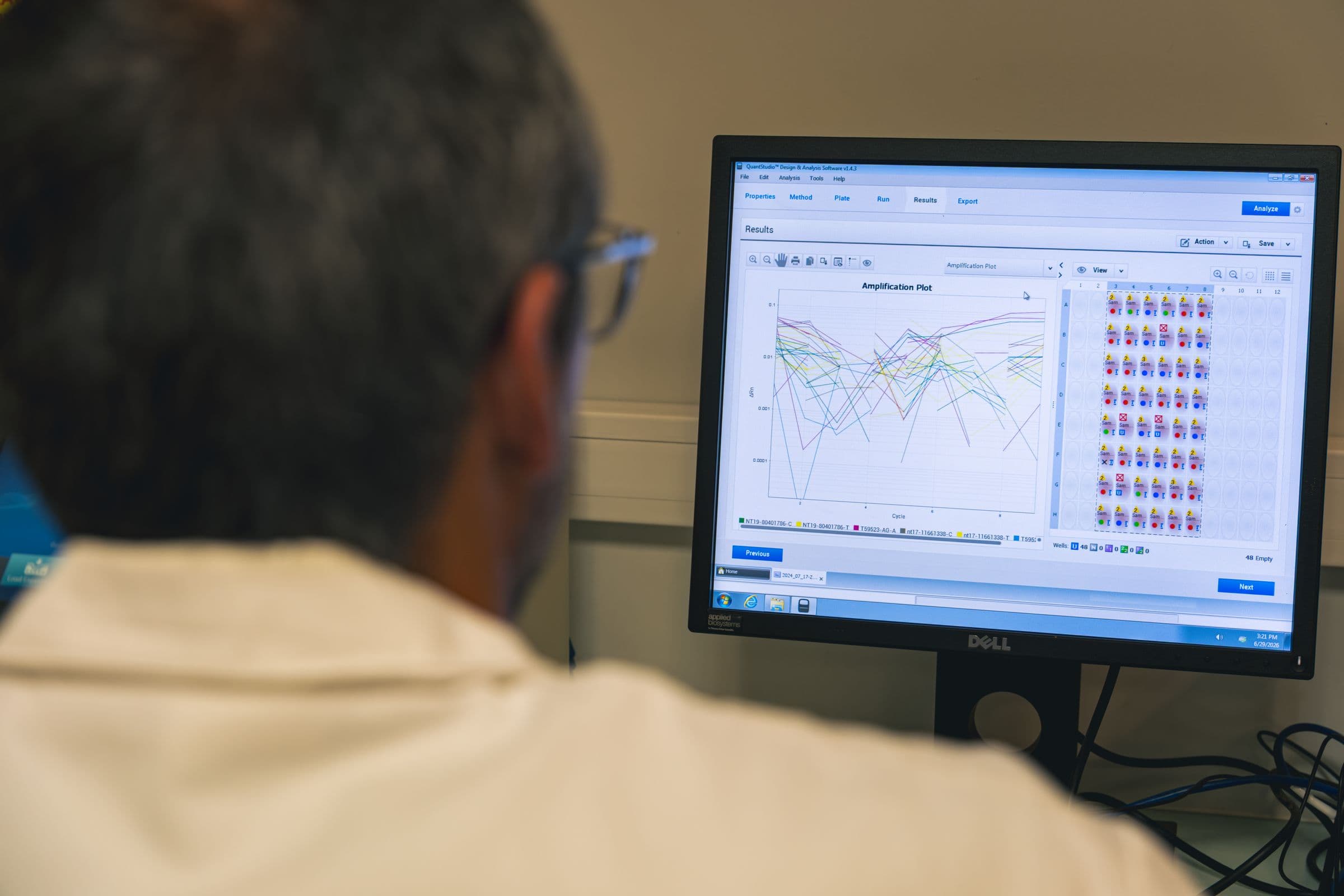
True to its historic expertise, Bergerac Seed & Breeding relies exclusively on conventional variety breeding methods. These approaches are reinforced by modern scientific tools such as molecular marking, pathological evaluations in the laboratory and on infested plots, and analyses carried out in our chemistry laboratory equipped with a UPLC system. This combination improves the efficiency of breeding while guaranteeing complete control over the genetics of the varieties developed.
Once the best lines have been identified, they are evaluated over several years in different environments to confirm their stability, their performance and their suitability for the intended growing conditions. This long-term work allows BSB to offer reliable, high-performing and durable varieties that meet the expectations of agricultural sectors internationally.

Disease resistance

Nematode resistance
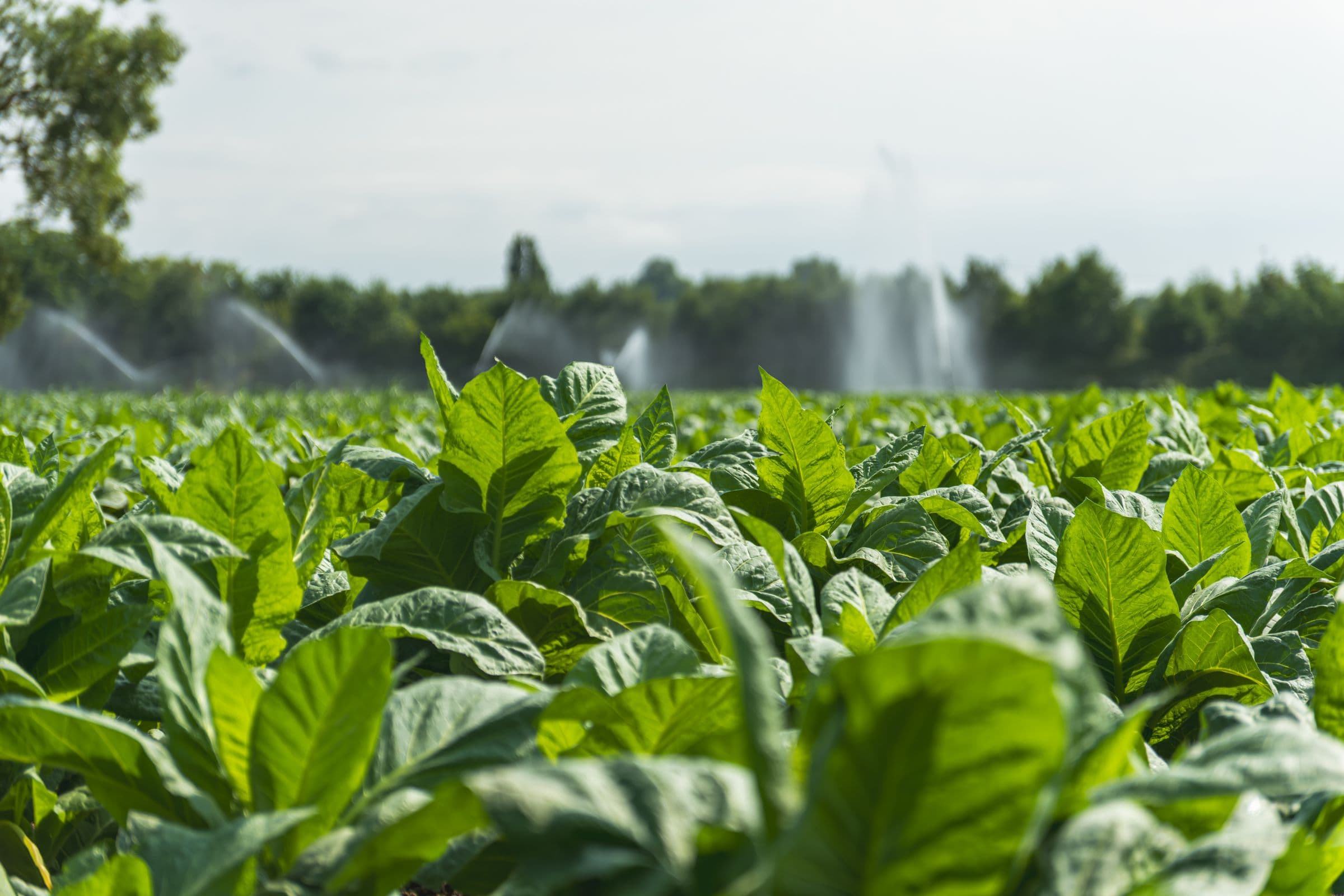
Adaptation to climate change
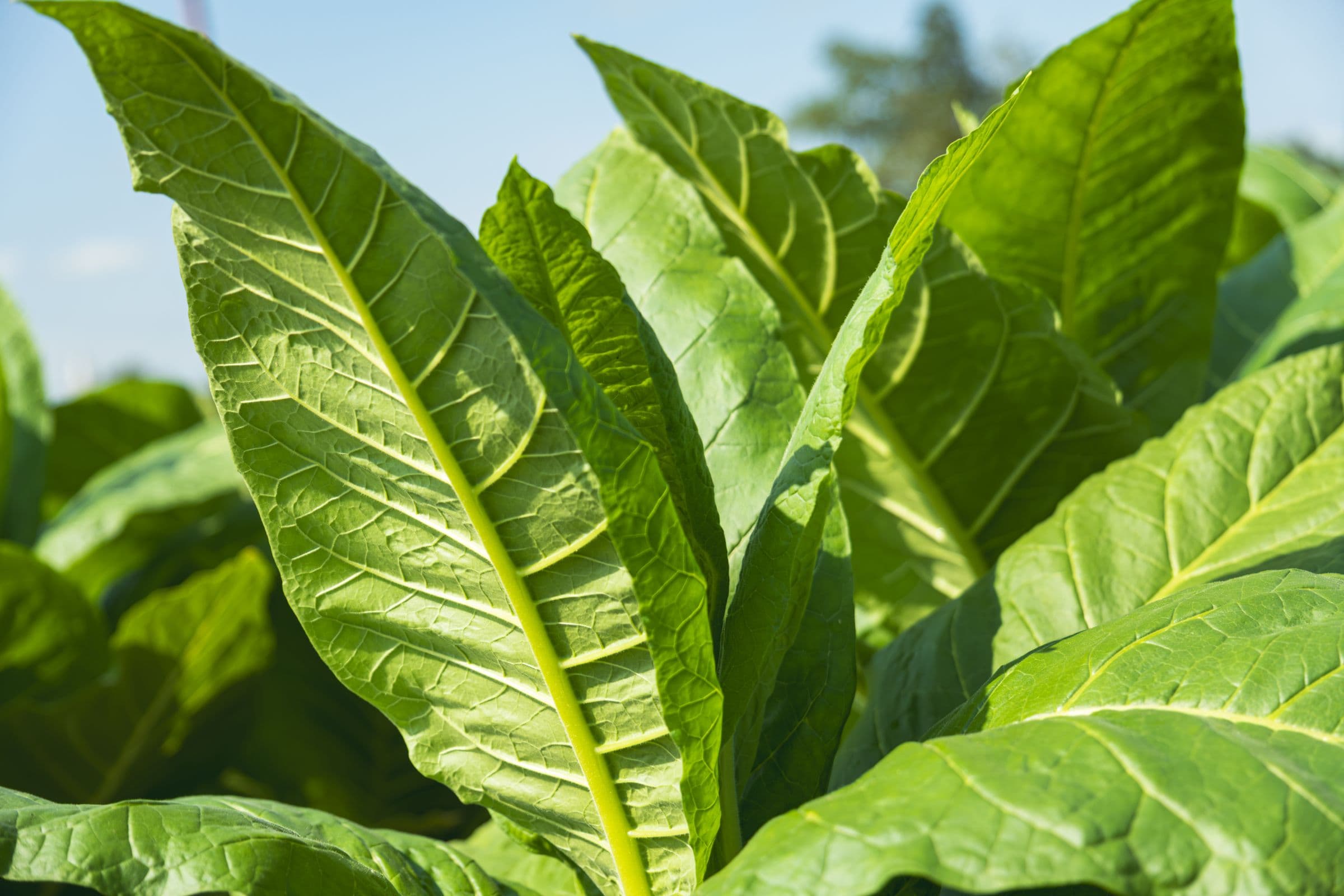
Improved technological quality
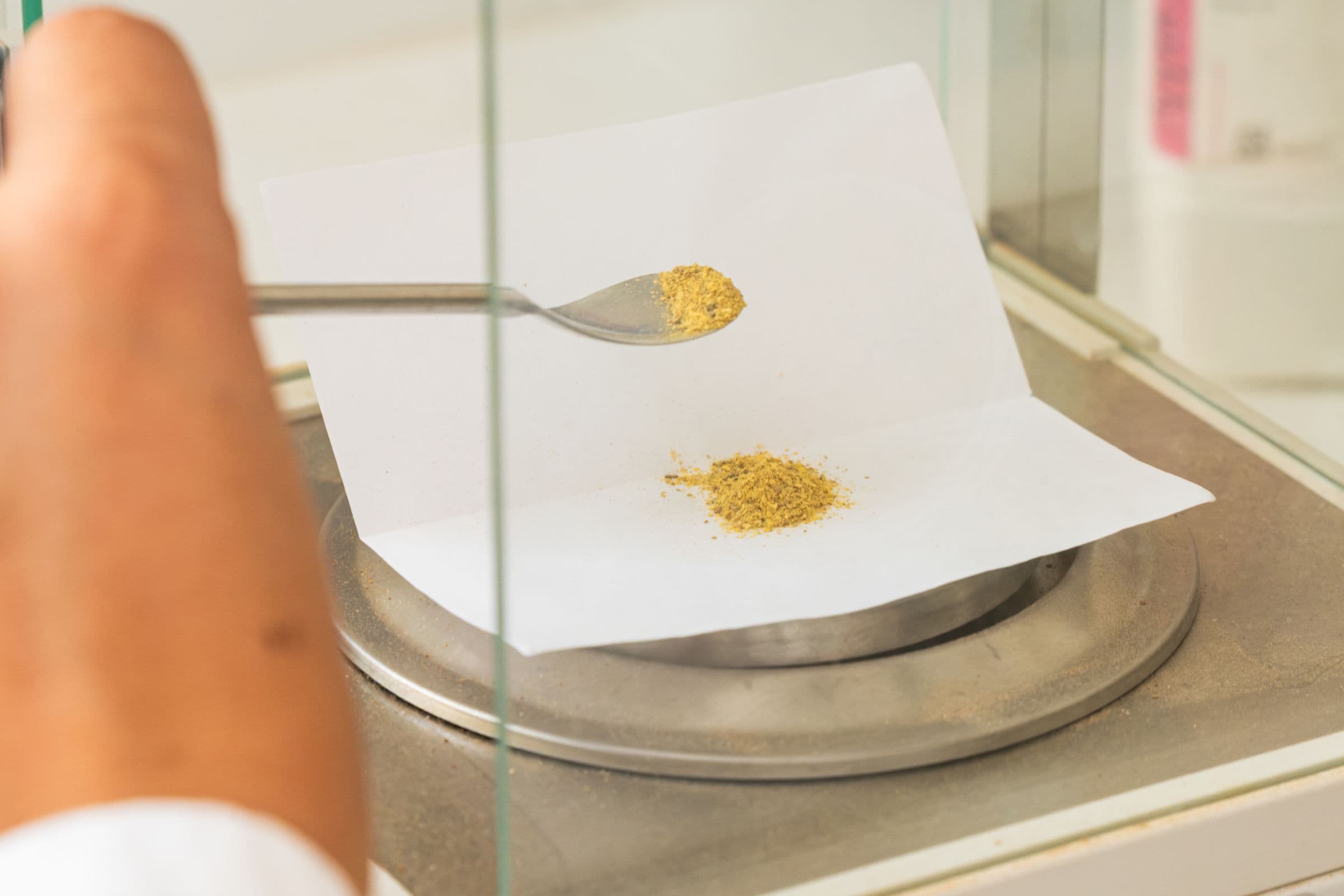
Specific chemical profiles

Development of new industrial hemp varieties
Very few teams in the world today have mastered every major tobacco type. This breadth of competence, combined with nearly a century of experience in variety improvement, makes Bergerac Seed & Breeding a recognised partner for the most demanding breeding projects.
Our multidisciplinary, human-scale team brings together complementary skills in genetics, variety breeding, agronomy, seed production, chemical analysis and regulatory affairs. This structure encourages direct exchange, high responsiveness and great flexibility in running projects. We are therefore able to adapt our programmes quickly to each partner’s specific needs, while guaranteeing personalised technical support and a high standard of scientific rigour.
CORESTA congresses, webinars and peer-reviewed journals.
Breeding for nicotine extraction tobacco varieties
Malpica A., L’Humeau J., Bachet S.
CongressCORESTA CongressTobacco breeding made practical: what everyone should know
Malpica A.
WebinarAgro-Phyto Webinar — Tobacco plant breedingDevelopment of resistant tobacco varieties against PVY breaking strains: advances and challenges
Malpica A., L’Humeau J., Bachet S.
CongressCORESTA CongressA breeding experience of root knot nematode resistance breeding in Italy, France and Tanzania
Malpica A., L’Humeau J., Bachet S.
CongressCORESTA CongressImpact of the alkaloid variation in variety breeding on yield, quality and plant defense
Malpica A., L’Humeau J., Bachet S.
CongressCORESTA CongressImpact of low nicotine breeding on plant defensive functions
Malpica A., L’Humeau J., Bachet S.
CongressCORESTA CongressBreeding for low nicotine tobacco varieties and impact of lower alkaloids lines on plant defense
Malpica A., L’Humeau J., Bachet S.
WebinarCORESTA WebinarBreeding for high nicotine tobacco varieties
Malpica A., L’Humeau J., Bachet S.
CongressCORESTA CongressNew progress in breeding and biocontrol dual approaches for tobacco broomrapes management
Malpica A., Bachet S., Gatard L.
Malpica A., Bachet S., Gatard L., Reibel C., Gautheron N., Edel-Hermann V., Steinberg C., Gibot-Leclerc S.
CongressCORESTA CongressRNA-Seq analysis of Orobanche resistance in Nicotiana tabacum: development of molecular markers for breeding recessive tolerance from « Wika » tobacco variety
Julio E., Malpica A., Cotucheau J.
Julio E., Malpica A., Cotucheau J., Bachet S., Volpatt R.
Peer-reviewed journalEuphytica — SpringerProgress in breeding and agronomical approaches for industrial nicotine extraction
Malpica A., Fressin C., François N.
Malpica A., Fressin C., François N., L’Humeau J.
CongressCORESTA CongressProgress in breeding and biocontrol dual approaches for tobacco broomrapes management
Malpica A., Guinchard L., Bachet S.
Malpica A., Guinchard L., Bachet S., Vacher C., Gatard L., Reibel C., Gautheron N., Edel-Hermann V., Steinberg C., Gibot-Leclerc S.
CongressCORESTA CongressProgress in development of a high-throughput phenotyping test as breeding tool for broomrape resistance in tobacco: an overview of results
Malpica A., Verrier J.-L., Bachet S.
Malpica A., Verrier J.-L., Bachet S., Ben Jemaa F., Pouvraud J.-B., Simier P.
CongressCORESTA Congress