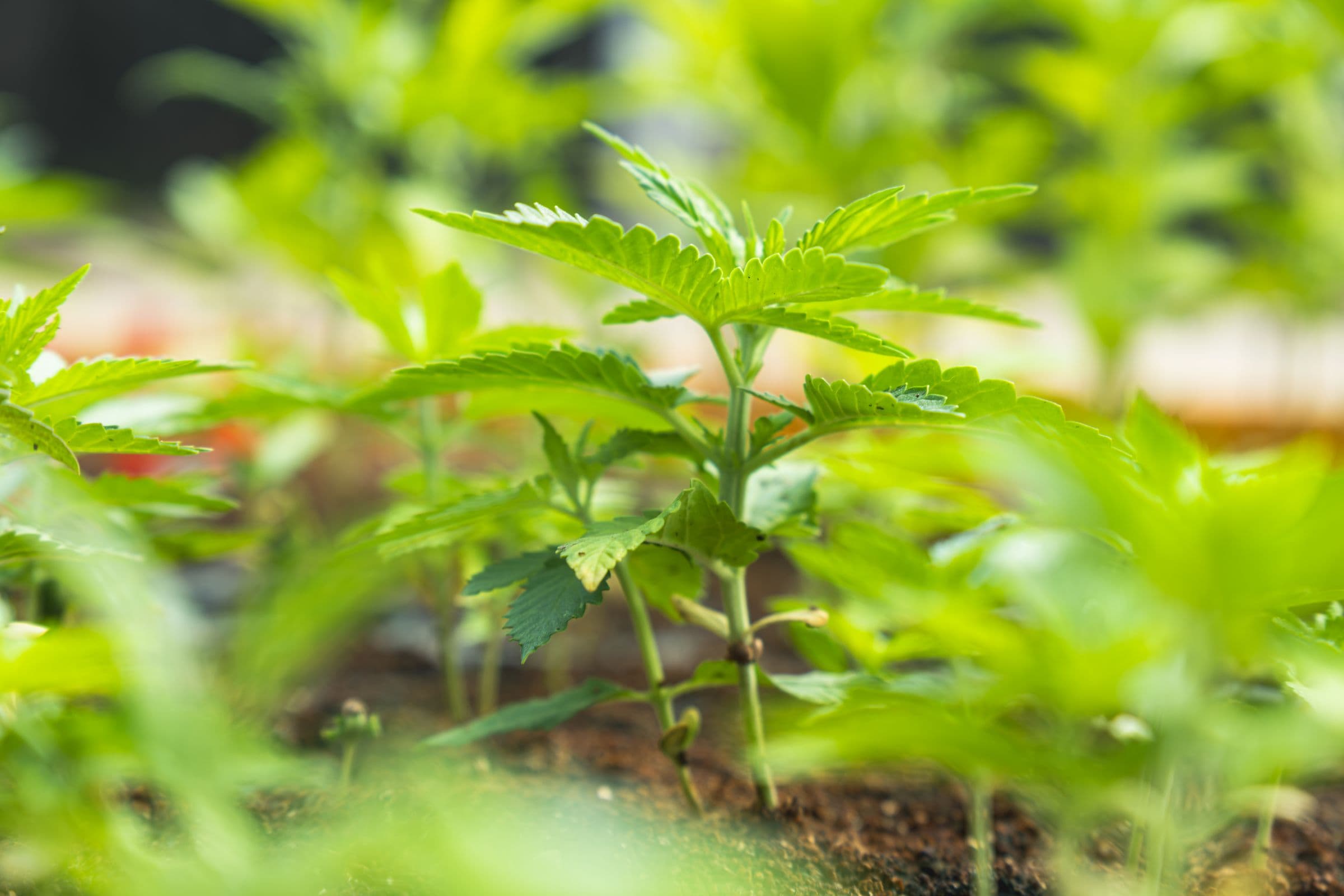
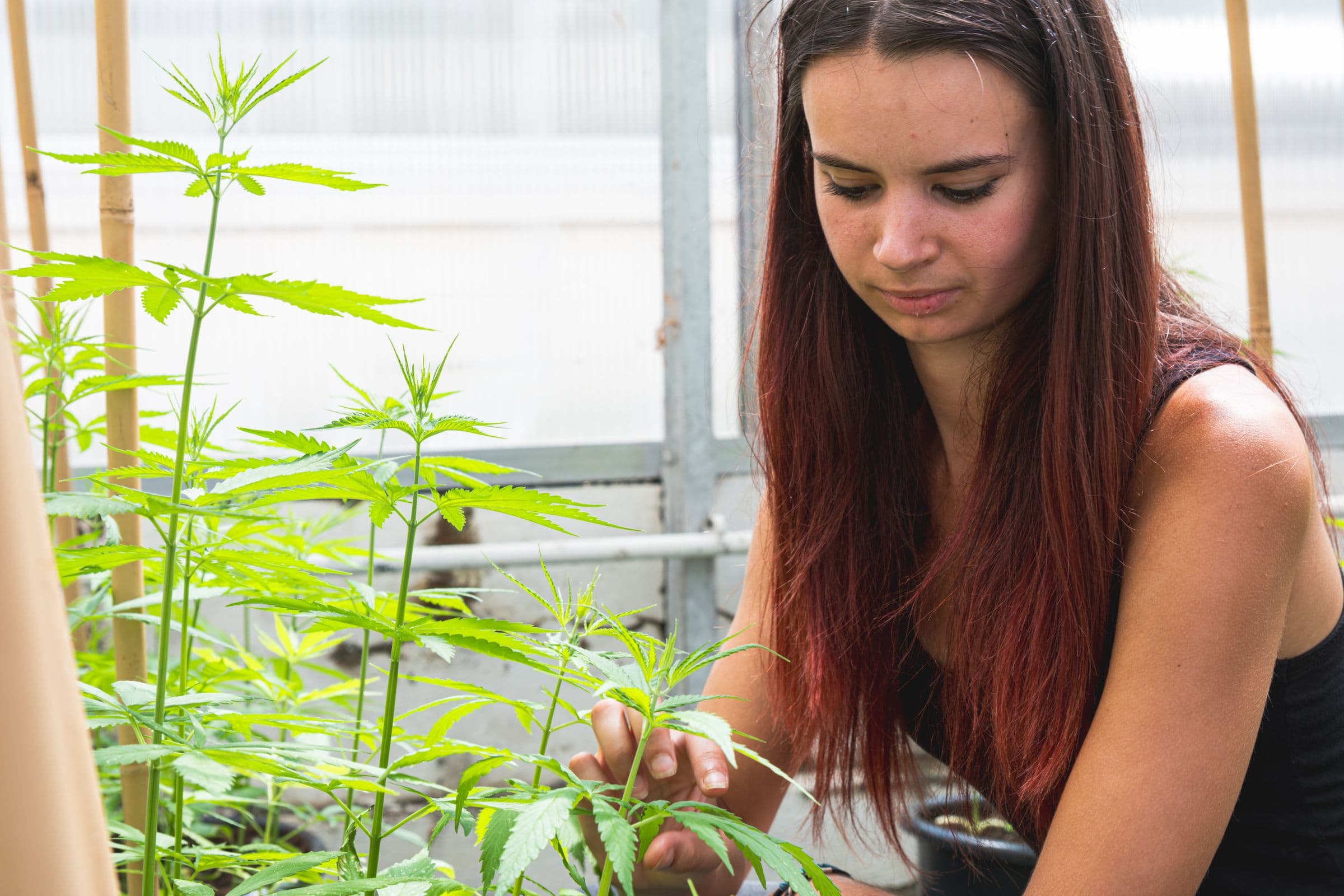
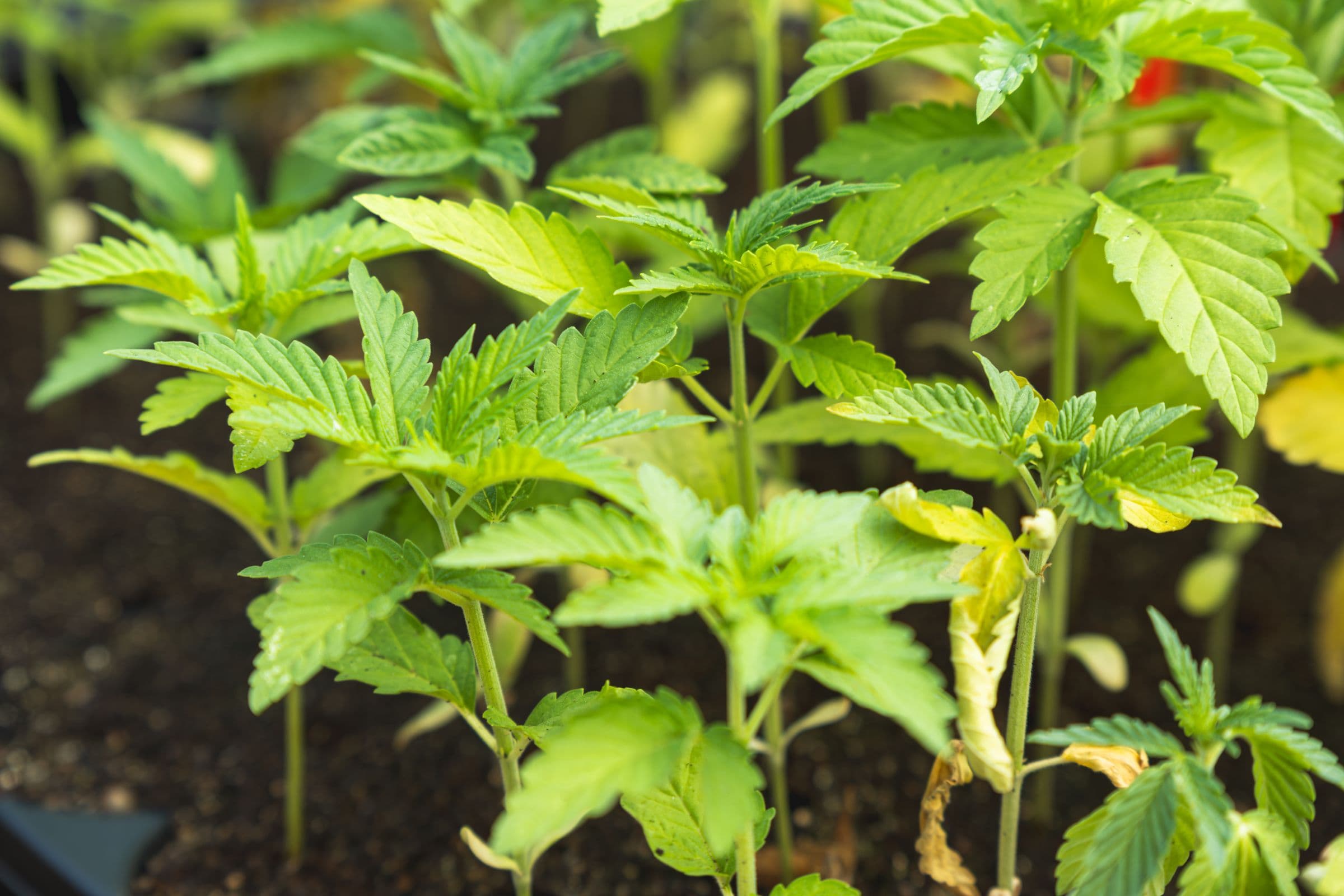
Fibre-oriented varieties
Bergerac Seed & Breeding is developing a new generation of industrial hemp varieties that meet the expectations of European supply chains.
Our breeding programme covers the main outlets on the market.
Fibre-oriented varieties
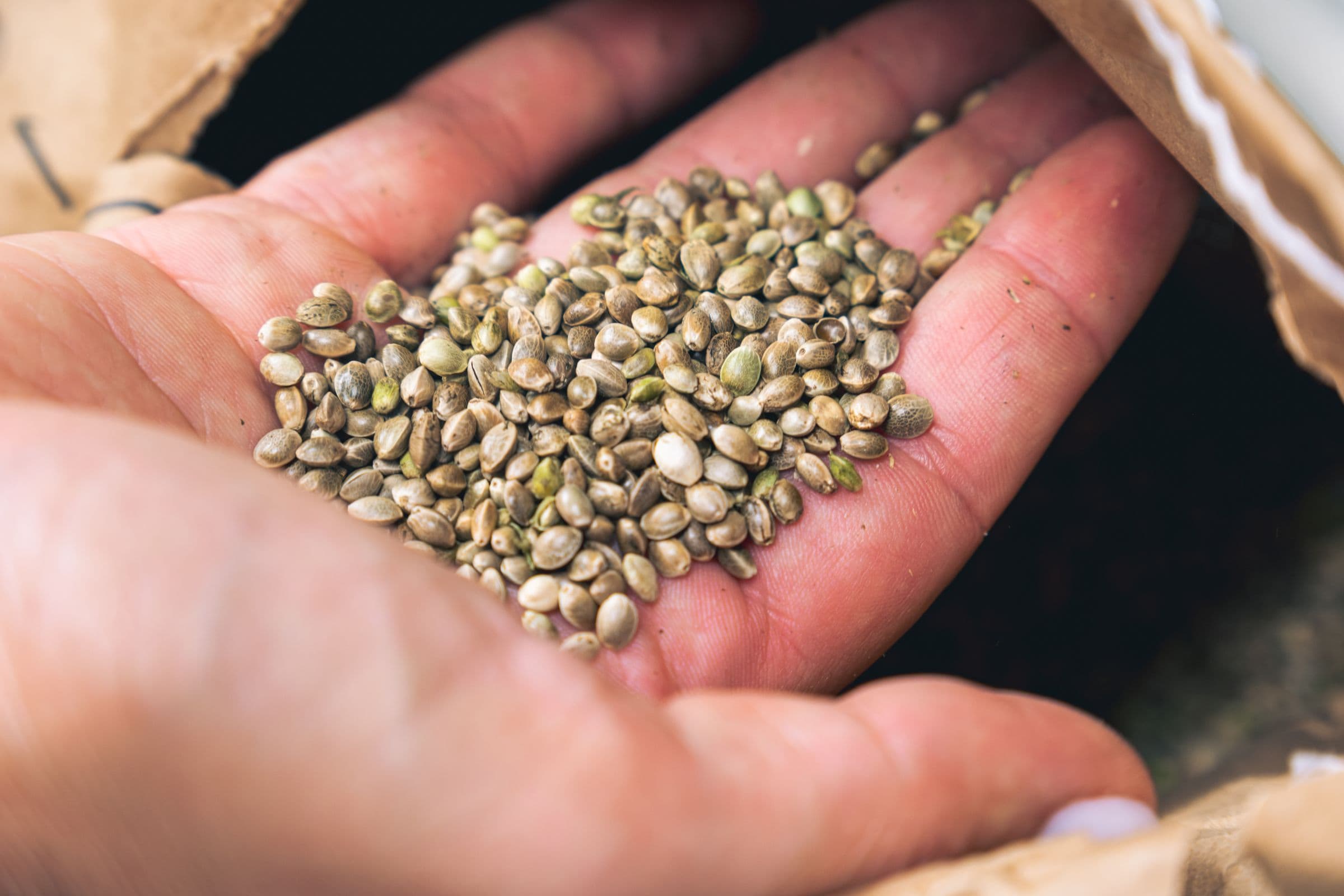
Grain-oriented varieties
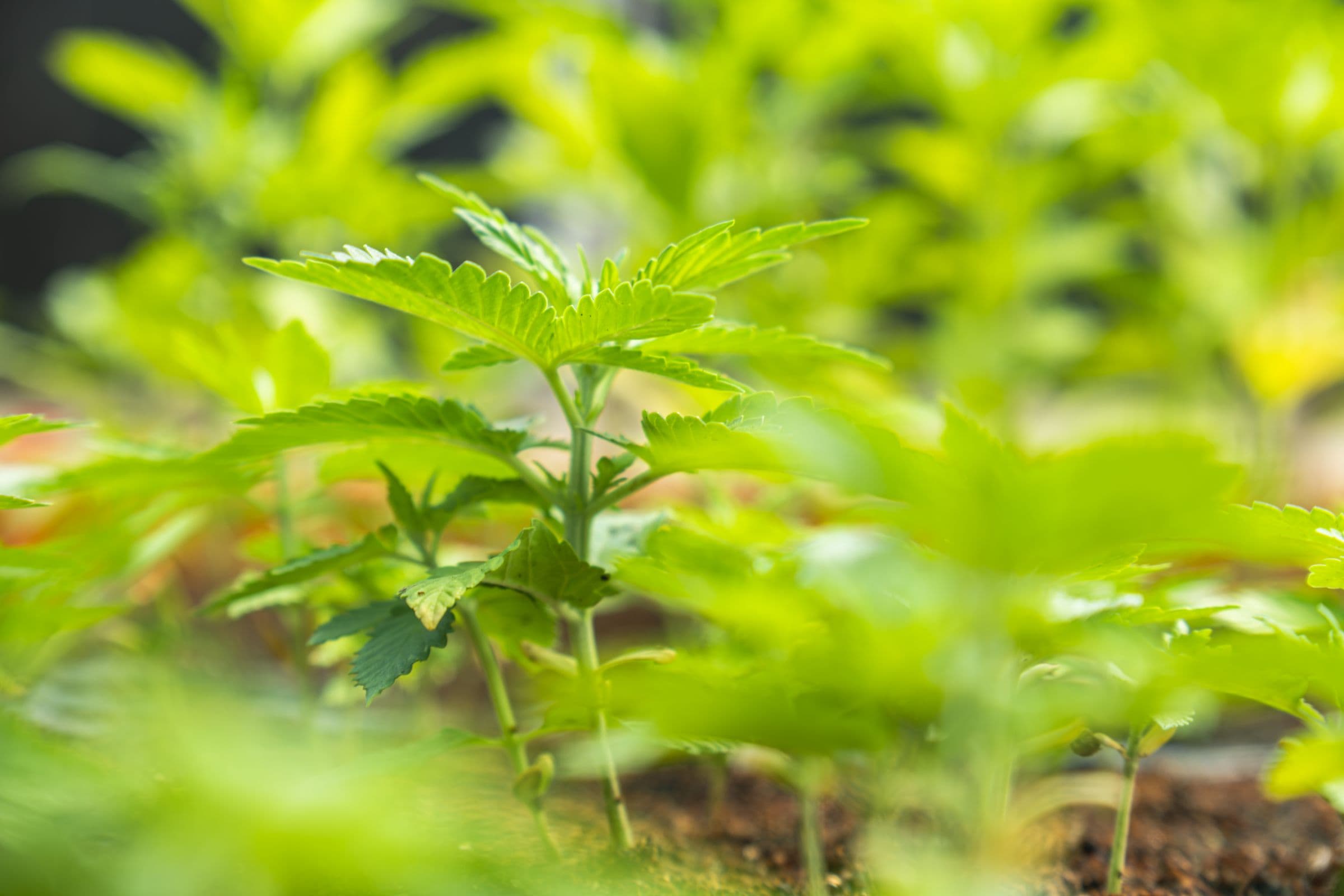
Dual-purpose varieties (fibre + grain)
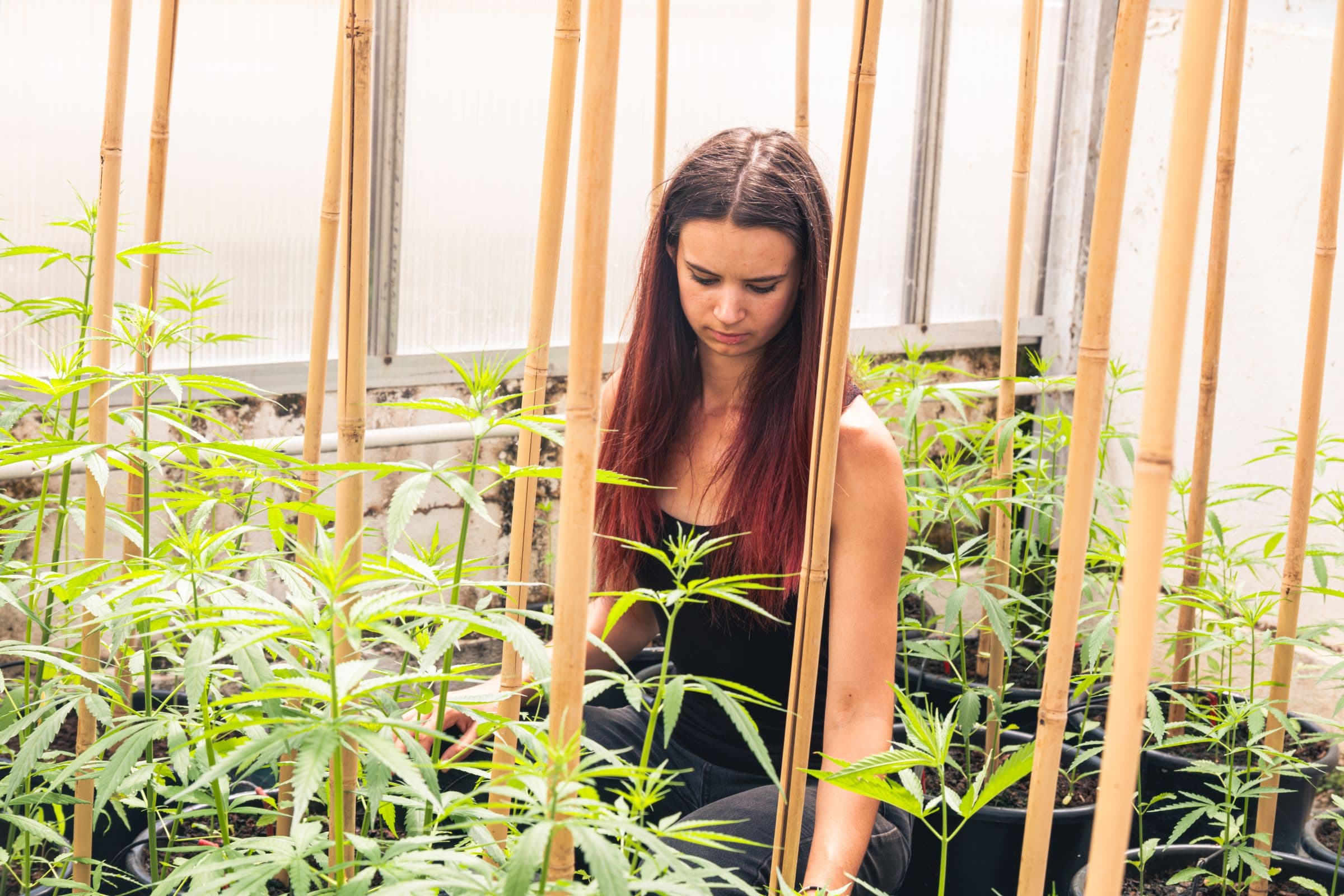
Future varieties for specialised markets
All our varieties are developed using conventional breeding methods and are evaluated over several years in order to guarantee their genetic stability, their agronomic performance and their suitability for different growing environments.
Each variety sheet sets out the variety’s main characteristics: earliness, height, potential yield, biomass production, grain production, lodging resistance, climatic adaptation and technological characteristics.
Varieties currently multiplied
Varieties currently multiplied by BSB. A new variety is undergoing registration.
Industrial hemp is currently seeing strong growth in Europe thanks to its many industrial applications and its agronomic performance. The crop allows several parts of the plant to be valorised at once: long fibres for technical materials and textiles, shivs used in construction materials and animal bedding, and grain for human and animal nutrition or oil production.
The development of new bio-based supply chains, the search for renewable materials and the decarbonisation targets of many industrial sectors are reinforcing interest in hemp. The construction, automotive, composites, textile, paper and nutrition sectors are all seeking sustainable raw materials capable of replacing fossil-based resources.
To support this shift, Bergerac Seed & Breeding is developing new varieties combining yield, fibre quality, grain potential and adaptation to the various European growing regions.
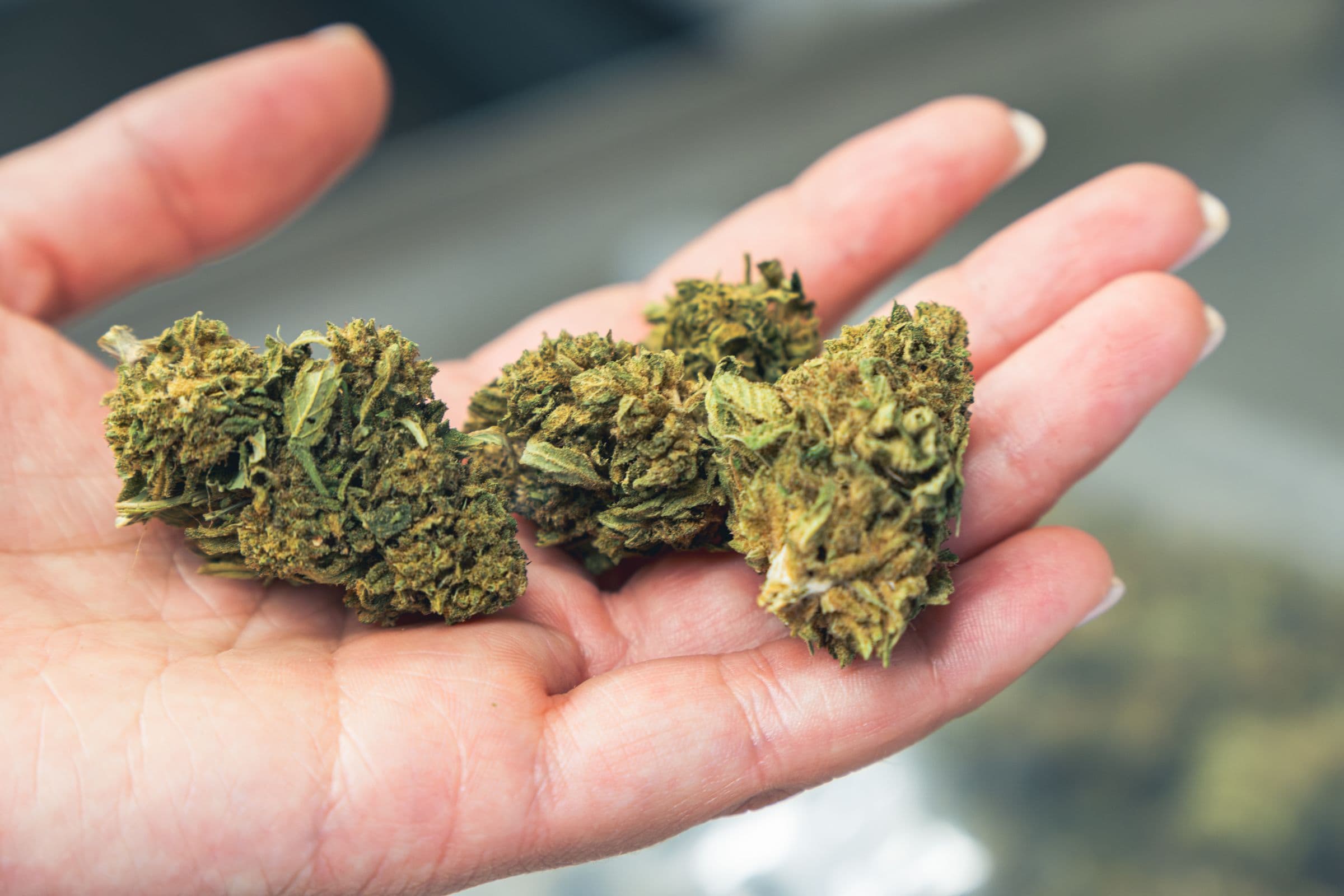
Hemp offers many agronomic, environmental and economic advantages. Its powerful root system improves soil structure, promotes aeration and helps limit erosion. Its very rapid growth quickly covers the soil, naturally reducing weed development and thereby limiting the need for herbicides.
Hemp growing generally requires few inputs and shows good tolerance to the main diseases and pests. It also makes an excellent break crop, helping to diversify rotations and improve the performance of subsequent crops.
Environmentally, hemp contributes to atmospheric carbon storage and provides renewable biomass used in many low-carbon industrial applications.
Finally, the growth of markets for technical fibres, bio-based materials, food grain and biomaterials opens new economic prospects for growers. Developing ever more productive varieties is an essential lever in supporting this momentum and meeting the growing expectations of the various industrial sectors.